
Spray Foam Insulation in Kent, WA
What Spray Foam Does in a Kent House
Spray foam for Kent homes, specified by application: crawl space, attic, wall, garage, or commercial shell.
Proudly Serving Kent and Surrounding Communities
Trusted Spray Foam Insulation by Local Home Owners and Businesses for years
Check Out Our Reviews on Google
Trusted Brands. Proven Quality. Better Results.




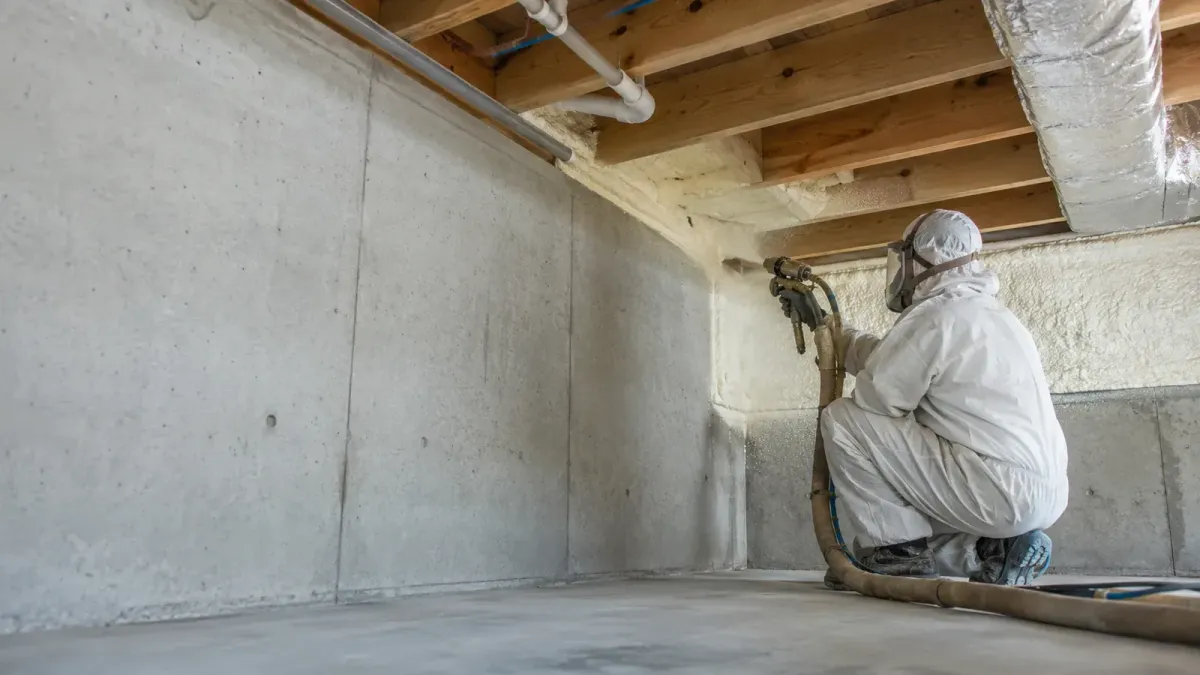
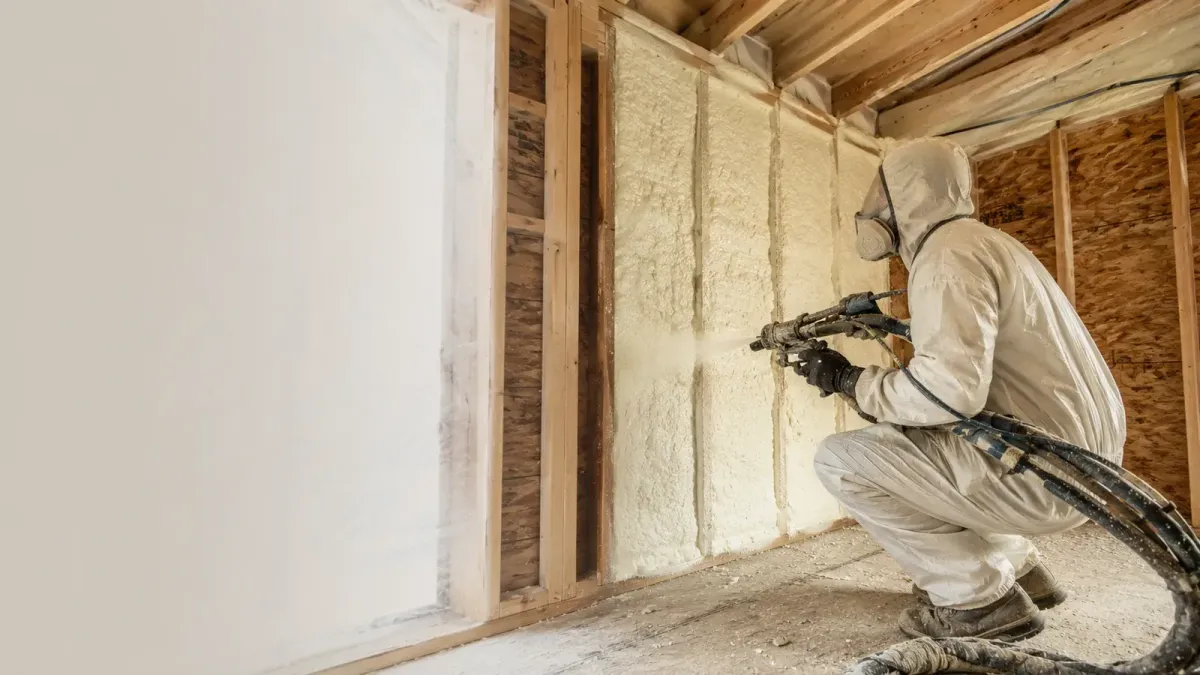
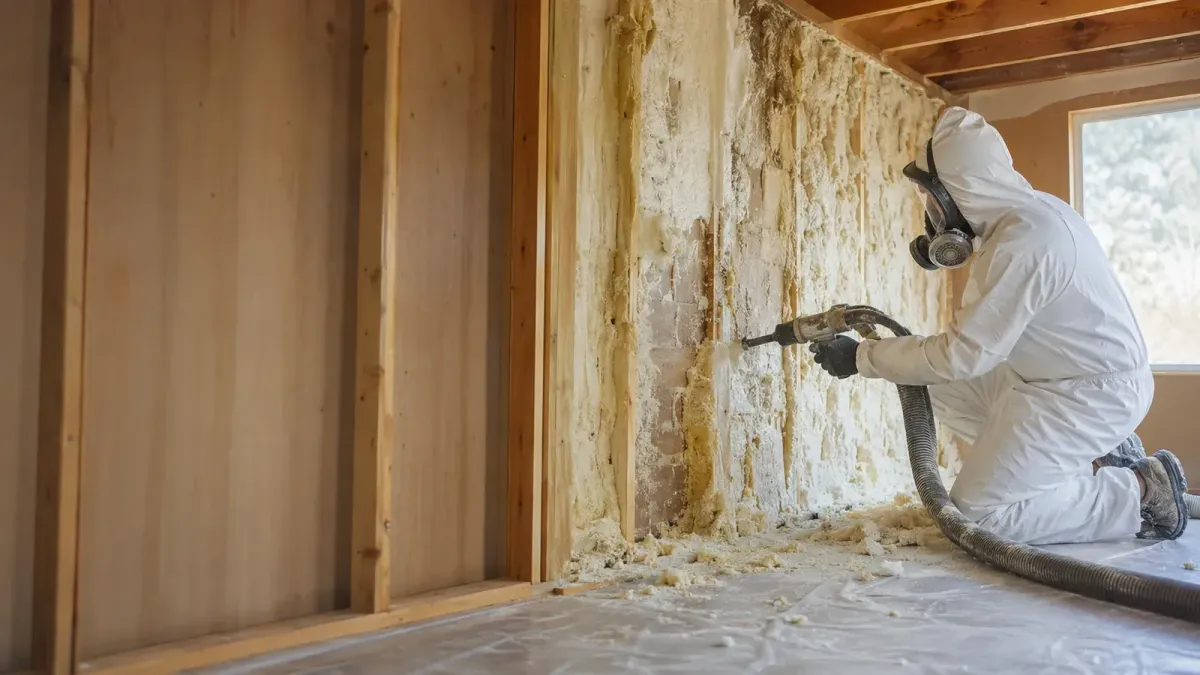
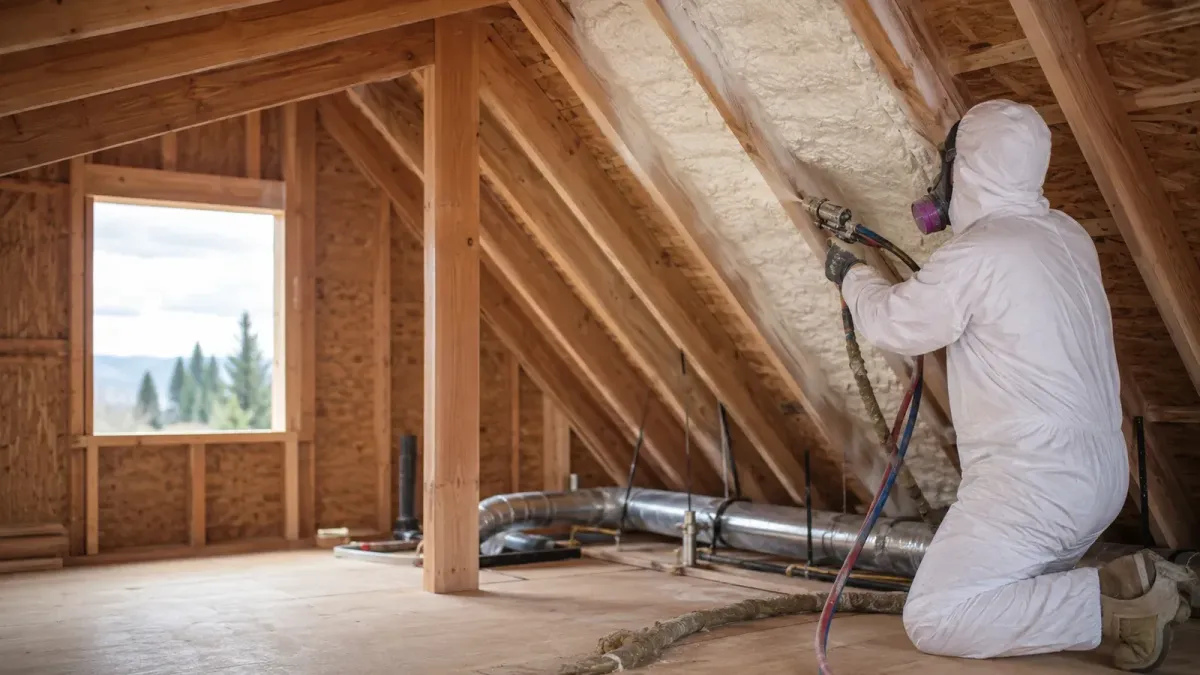
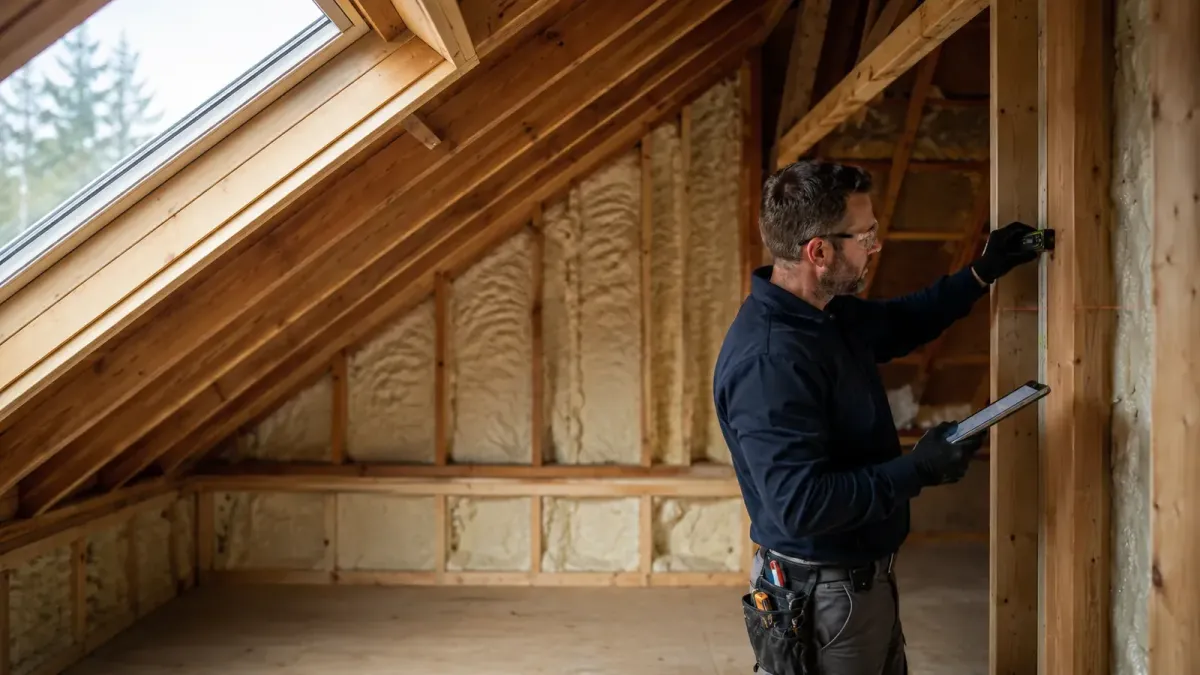
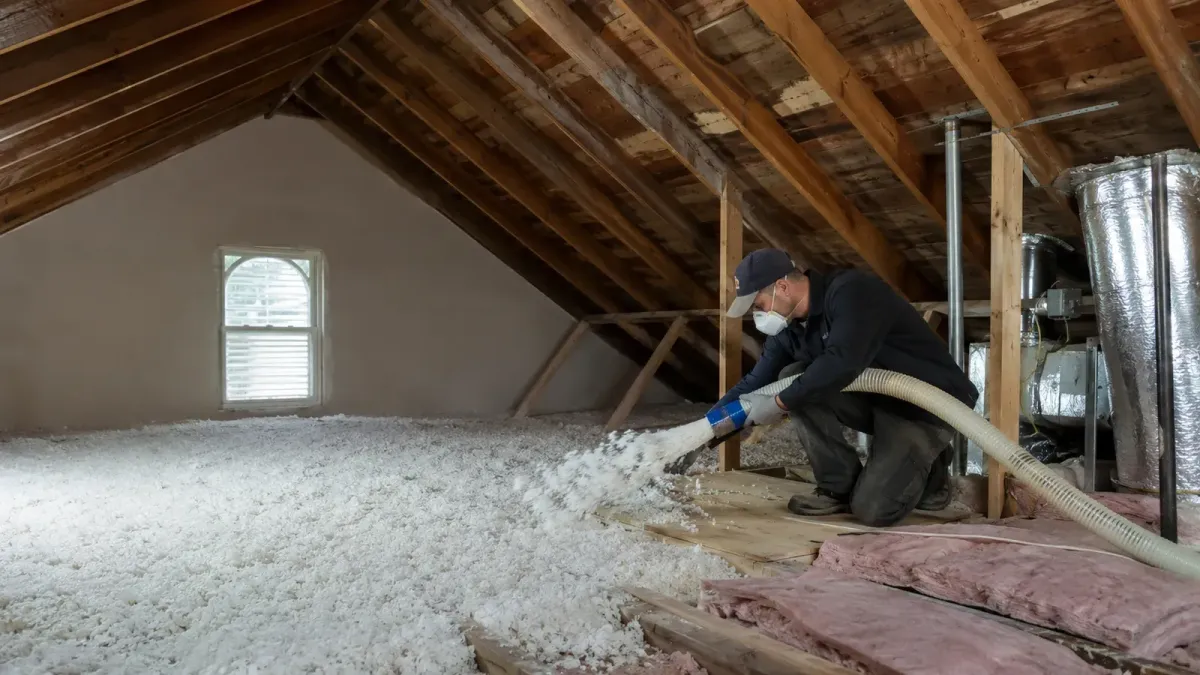
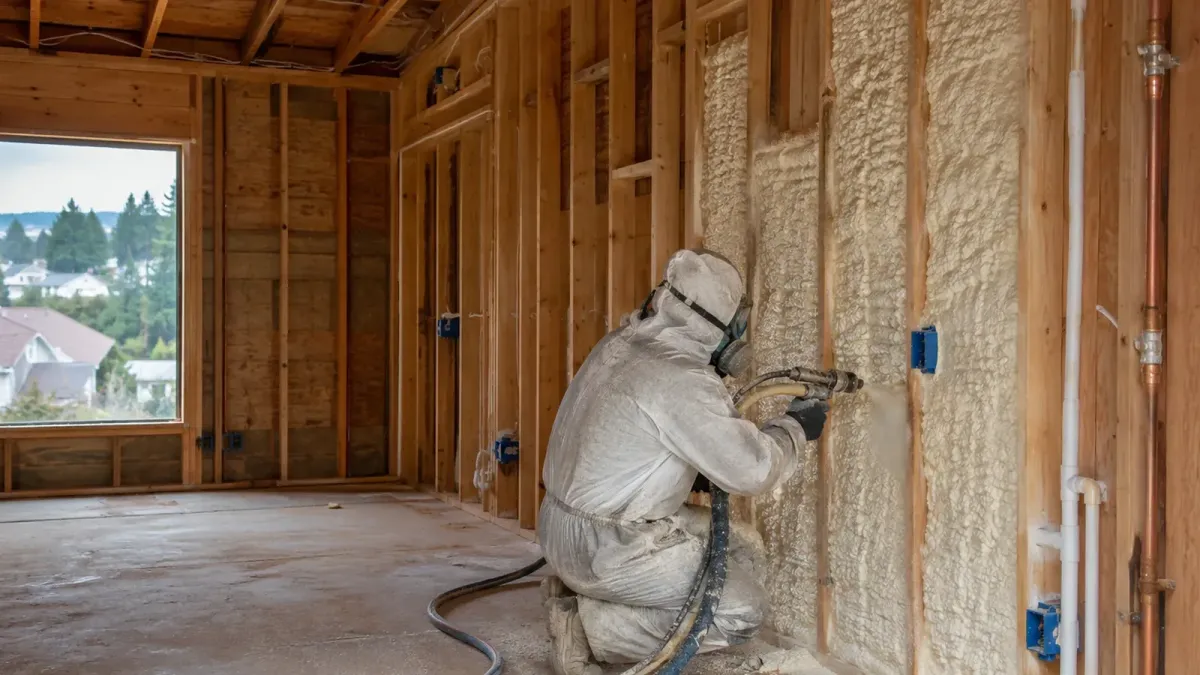
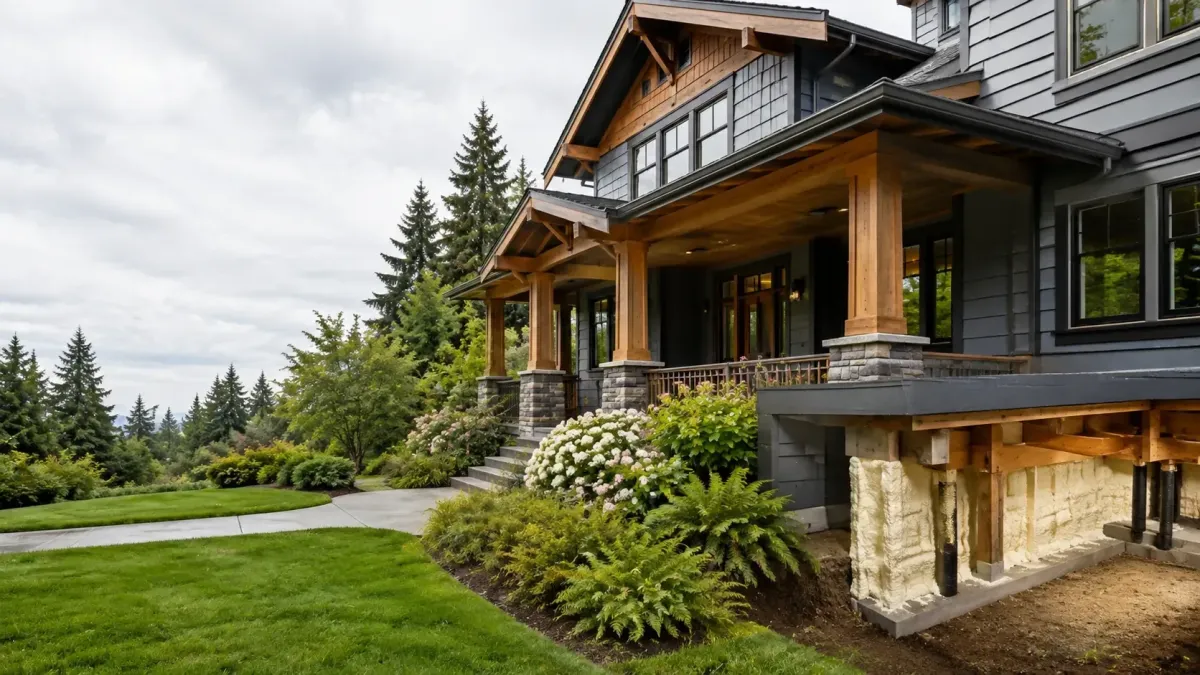
Spray foam insulation in Kent starts under the house more often than it starts in the attic. Homes on the Green River Valley floor sit low, the water table sits close, and a vented crawl space pulls damp air against the floor framing for most of the year. Closed-cell foam applied to the rim joist and subfloor changes that assembly. Which foam belongs where is a decision about moisture and assembly type, not a preference.
The other half of the work is code. Washington moved to the 2021 Washington State Energy Code, and Kent sits in Climate Zone 4C. That sets attic and wall targets, and it sets the air-leakage number a house has to hit on a blower door test when a permit is involved. We inspect the assembly first, tell you what the code path requires, and quote from what we find rather than from a square-foot average.
Closed-cell foam in crawl spaces to control ground moisture and air movement
Attic foam specified against Climate Zone 4C targets rather than guesswork
Open-cell foam where the assembly needs air sealing and sound control
Written scope after an inspection, including permit path and inspection sequence
Proudly serving Kent, Renton, Federal Way, Covington, Des Moines and Auburn for years.
Comprehensive Spray Foam Insulation Services in Kent
Tailored to Your Needs
Ten services, sorted by where the moisture and the heat loss actually are in a Kent house. Crawl space and attic work carry most projects here. Wall, garage, removal, and commercial foam handle the rest, and each one is quoted from the assembly rather than from a square-foot rate.
Crawl space foam controls ground moisture and air movement under the floor.
Closed-cell foam delivers high R-value per inch and resists vapor drive.
Attic foam air-seals the ceiling plane and builds insulating value overhead.
Removal extracts failed or improperly cured foam and restores the substrate.
An estimate establishes scope, foam type, thickness, and access before pricing.
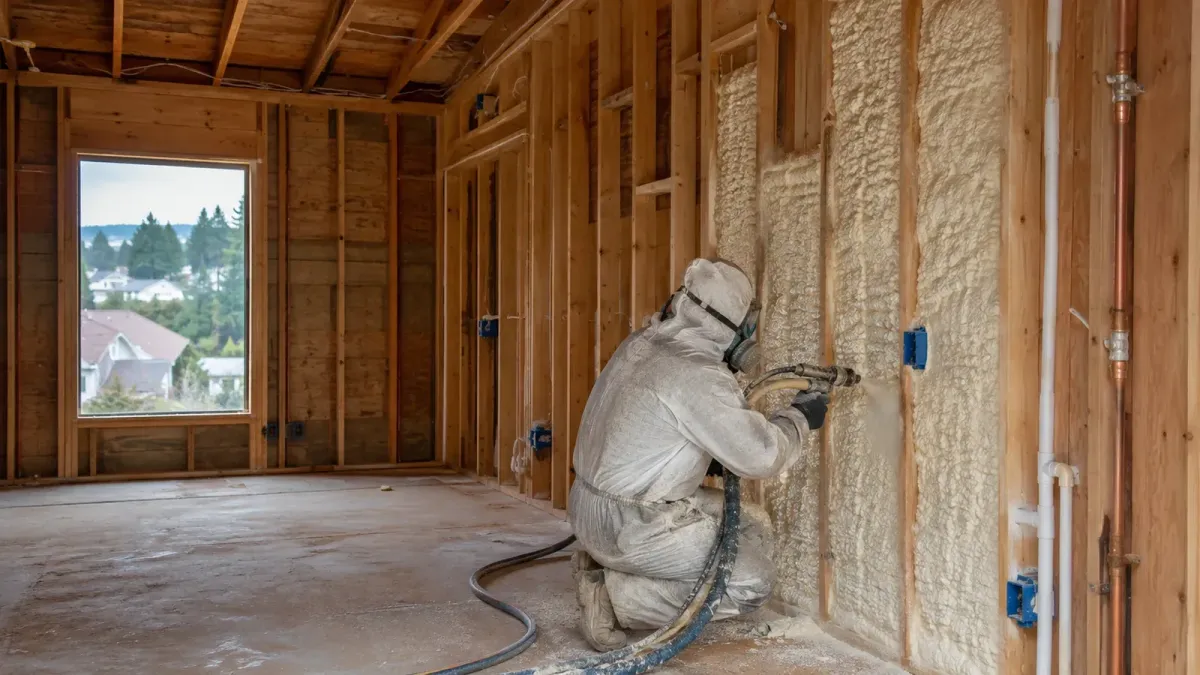
Open-cell foam air-seals and damps sound at a lower cost per board foot.
Wall foam fills the stud cavity completely and seals the framing gaps.
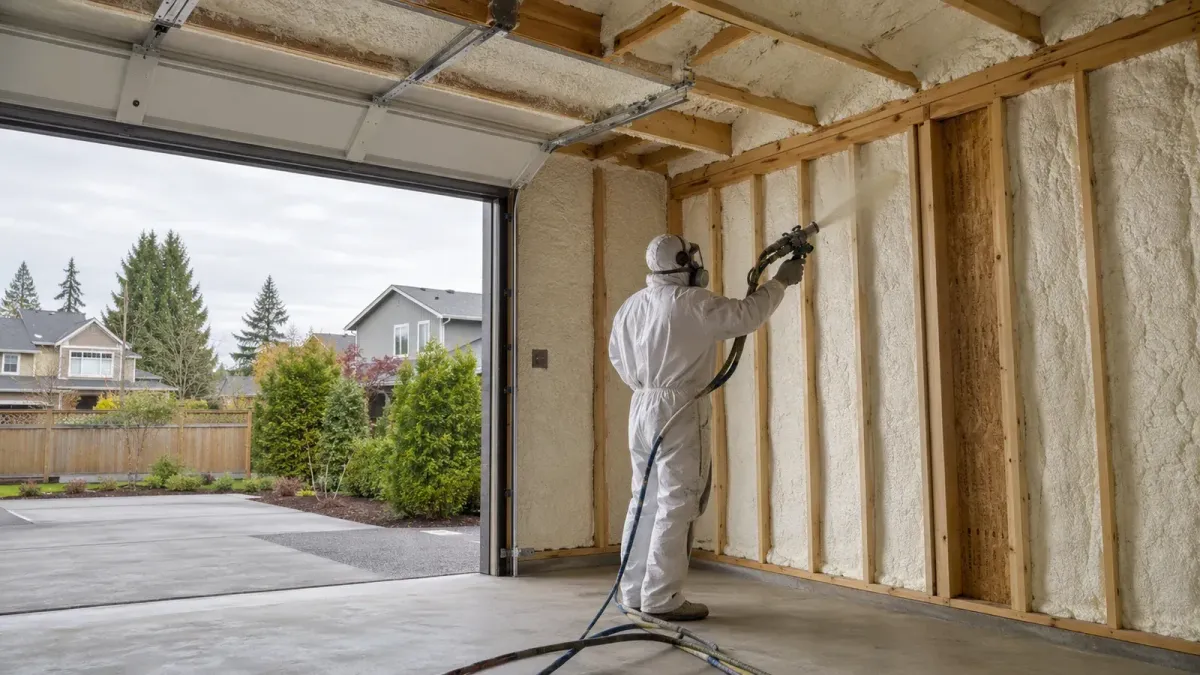
Garage foam separates an unconditioned bay from the living space above it.
Attic insulation service assesses existing depth and brings it to target.
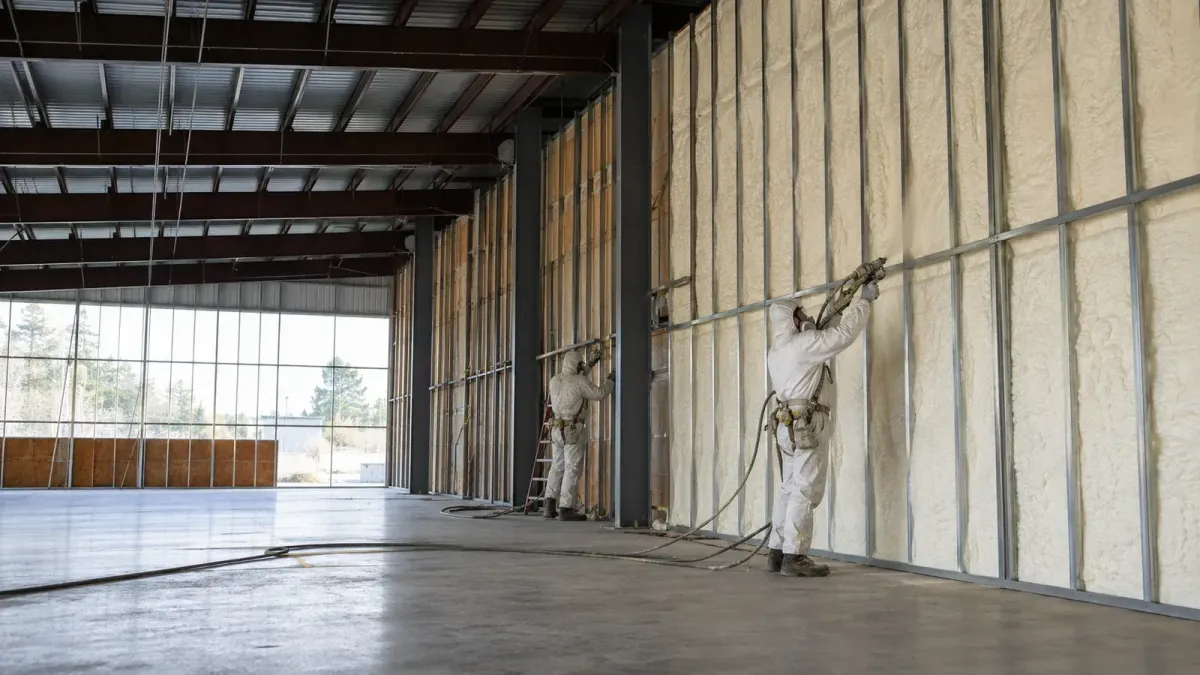
Commercial foam insulates metal buildings, shells, and tenant improvement spaces.
Where We Install Spray Foam Around Kent
Closed-cell and open-cell spray foam for Kent crawl spaces, attics, and walls
The cities around Kent do not share a permit desk, a water district, or a housing era, and all three change how a foam job runs. We track which authority reviews the work in each one, because that is what sets the schedule.
Professional Spray Foam Insulation Services in Kent, WA
At Kent Spray Foam Insulation Pros, we are your locally owned and operated insulation specialists serving Kent, WA and the surrounding South King County communities. We specialize in professional spray foam insulation solutions that help Kent homeowners and business owners reduce energy costs, improve indoor comfort, and protect their properties from moisture, drafts, and heat loss year round. Spray foam insulation is one of the most effective and longest lasting insulation options available today, and unlike traditional fiberglass batts or blown-in insulation, it creates a seamless air barrier that fills every gap, crack, and cavity in your walls, attic, crawl space, and basement, delivering superior thermal performance that pays for itself in energy savings over time. Whether you are building a new home, finishing a basement, upgrading an older property that is losing heat through poorly insulated walls and attic spaces, or looking for a commercial insulation solution that meets the demands of a larger building, Kent Spray Foam Insulation Pros has the experience, equipment, and expertise to get the job done right. Our team is fully trained, licensed, and insured in Washington State, and we approach every project with the same commitment to honest pricing, quality materials, and workmanship that stands behind every inch of spray foam insulation we install. From small residential projects to large commercial applications, we are the local team Kent property owners trust to show up on time, work cleanly and efficiently, and deliver insulation results that make a real difference in the comfort and energy efficiency of their home or building. Call us today for a free quote over the phone. We respond fast and look forward to helping you get the most out of your property.
Frequently Asked Questions about spray foam insulation Kent WA in Kent
Spray Foam Insulation solutions can be complex, and we’re here to provide answers to common questions. Here are some frequently asked questions from our clients.
How much does spray foam insulation cost in Kent WA?
There is no single price, because spray foam is quoted by application, thickness, and access rather than by house size. A closed-cell crawl space with a low clearance and a tight hatch costs differently than an open attic with a walk-up. The variables that move the number are square footage, target R-value, foam type, and how much old material has to come out first. We inspect the assembly, then quote the scope in writing.
What is the difference between open cell and closed cell spray foam?
Closed-cell foam is denser, carries a higher R-value per inch, and resists liquid water and vapor drive. Open-cell foam is lighter, more flexible, cheaper per board foot, and better at damping sound. In Kent the practical rule is that closed-cell goes where moisture is present or where inches are scarce, which usually means crawl spaces and rim joists. Open-cell goes in interior walls and some attic applications where moisture is controlled and air sealing is the goal.
Is spray foam insulation worth it in the Pacific Northwest?
It depends on the assembly, not the region. In a vented crawl space over damp ground, closed-cell foam does something batt insulation cannot do at any thickness, and the difference shows up in floor temperature and moisture readings. In a dry, accessible attic with room to build depth, blown insulation to the code target often makes more sense per dollar. We tell you which case your house is before you spend anything.
How long does spray foam insulation last?
Correctly installed foam is a permanent part of the assembly and is not on a replacement cycle the way batt insulation is. What shortens its life is a bad install: foam sprayed too thick in one pass, applied over a damp or dirty substrate, or used to bury a leak nobody found first. That is why we inspect for active water intrusion before quoting. Foam over an unresolved leak hides the problem instead of solving it.
Do you need a permit to install spray foam insulation in Kent WA?
It depends on the scope. Insulation work that is part of a larger permitted project, or that touches the building envelope during a remodel, routes through the Kent Permit Center and its Citizen Portal under Economic and Community Development. Straight retrofit insulation in an existing home often does not require its own permit. We confirm the path for your specific scope before the crew is scheduled rather than assuming it.
What are PSE rebates for insulation in Kent Washington?
Puget Sound Energy runs energy-efficiency rebate programs that have covered insulation upgrades, and eligibility, amounts, and qualifying products change from program year to program year. We do not quote a rebate figure, because the number that was current last season may not be current when your job is scheduled. What we will do is document the installed R-value and the scope in a form that supports an application, and point you at the current PSE program terms.
Plan Your Kent Spray Foam Project
What Our Satisfied Clients Have to Say About
We pride ourselves on delivering great results and experiences for each client. Hear directly from home and business owners who’ve trusted us with their Spray Foam Insulation needs.

Our crawl space in the Green River Valley had standing damp under the floor every winter and the living room floor was cold no matter what the furnace did. They pulled the sagging batt, sealed the rim joist, and did closed-cell under the subfloor. The floor temperature difference was noticeable within a week.
Marcus D.
We bought a 1970s split-level on East Hill with about half the attic insulation it should have had. They explained what the current code target is for our zone and why the insulation over the top plate at the eaves matters, then did the work in one day. No pressure to add anything we did not need.
Priya N.
Called them out for a garage conversion near Scenic Hill expecting a full foam quote. They looked at the walls, said the existing cavity insulation was fine and only the ceiling and header needed work, and quoted just that. Half of what I expected to spend.
Devin S.
The Trusted Spray Foam Insulation Expert Near You
Ready to hear more about expert services at ?
Contact us today to receive a detailed, no-obligation quote.


Quick Links